TRE®, the Vagus Nerve, and Finding Safety During Life Transitions
Life transitions have a way of shaking us to the core. Whether it’s a divorce, the death of someone you love, the birth of a child, starting a new job, losing one, a painful breakup, or even a heated verbal fight, change, even when welcome, puts stress on the nervous system.
Often, we try to “think” our way through these moments. But the body has its own story to tell. This is where TRE® (Tension & Trauma Releasing Exercises) and the vagus nerve come into the picture.
Why Transitions Feel So Overwhelming in the Body
During major transitions, your nervous system is constantly asking one question:
“Am I safe?”
When life feels uncertain or threatening, your system may shift into:
Fight or flight (sympathetic activation): anxiety, anger, restlessness, racing thoughts
Freeze or shutdown (dorsal vagal response): numbness, exhaustion, disconnection, depression
Even positive changes, like childbirth or a new job, can activate these responses because they involve the unknown.
These survival responses aren’t flaws. They’re biological intelligence. But when stress isn’t fully discharged, it can linger in the body as chronic tension, emotional reactivity, or a sense of being “stuck.”
What Is TRE®?
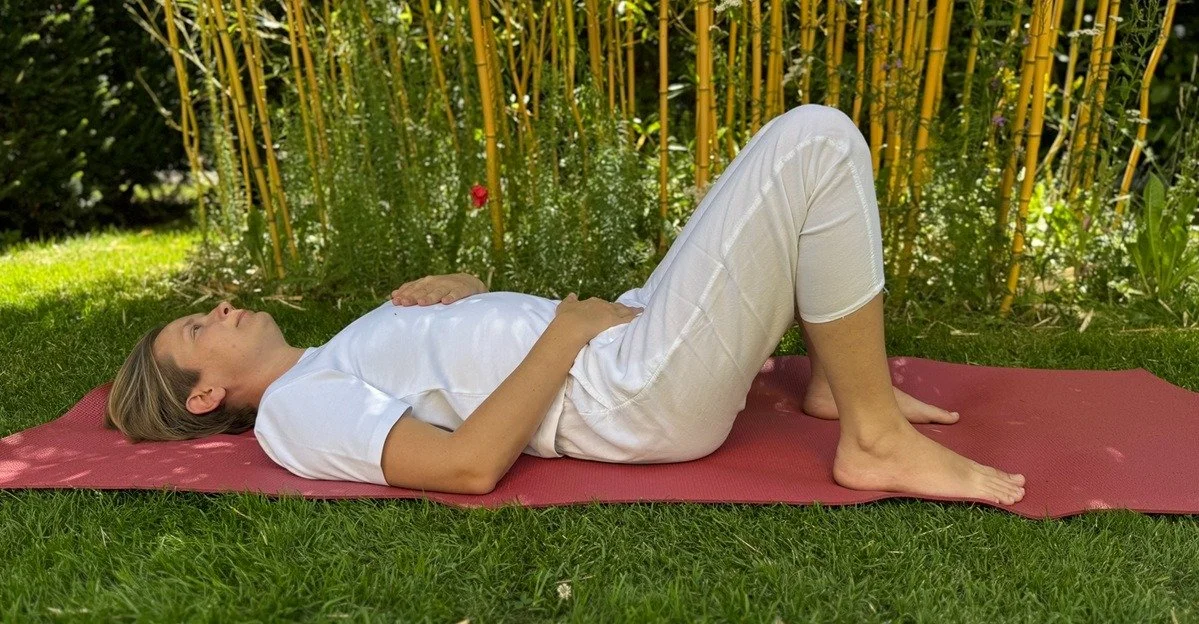
TRE® (Tension & Trauma Releasing Exercises) is a body-based practice designed to gently activate the body’s natural shaking or trembling mechanism.
Animals do this instinctively after stress. Humans often suppress it.
TRE® uses simple, controlled exercises to fatigue specific muscle groups, allowing the body to initiate neurogenic tremors, a natural reflex that helps release deep muscular and nervous system tension.
You’re not reliving trauma. You’re letting the body finish what it started.
TRE® and the Vagus Nerve: The Safety Connection
The vagus nerve is the main pathway of the parasympathetic nervous system — the branch responsible for rest, digestion, emotional regulation, and social connection.
When the vagus nerve is functioning well, you may notice:
Slower, deeper breathing
A sense of grounding or presence
Improved digestion
Emotional flexibility
The ability to connect without overwhelm
TRE® supports vagal tone by:
Reducing chronic muscle contraction that signals danger to the brain
Sending bottom-up signals of safety through the body
Helping the nervous system complete stress cycles
Encouraging a shift from survival states into parasympathetic regulation
Many people report feeling calmer, more spacious, or more “themselves” after TRE®, not because they forced relaxation, but because their system remembered how to settle.
TRE® During Life Transitions
During transitions, your nervous system is often oscillating between old patterns and the unknown future. TRE® can be especially supportive because it meets the body where it is, without needing words or analysis.
Here’s how it can help in different situations:
Divorce or breakup: Releases stored grief, anger, and shock that may not feel safe to express verbally
Death or loss: Supports the body in processing grief gradually, without overwhelm
Childbirth: Helps restore nervous system balance after an intense physiological and emotional experience
New job or job loss: Regulates stress related to identity, safety, and uncertainty
Arguments or verbal fights: Discharges adrenaline and residual activation so the conflict doesn’t live on in the body
Rather than “moving on,” TRE® helps the body move through.
From Survival to Regulation
One of the most powerful aspects of TRE® is that it doesn’t aim to “fix” you.
It trusts your nervous system.
As tremoring unfolds, many people experience moments of:
Spontaneous sighs or yawns
Emotional release without a story attached
A sense of internal connection or coherence
Gentle parasympathetic settling
This is the vagus nerve doing what it evolved to do, guiding you back toward safety and connection.
A Gentle Reminder
TRE® is not about pushing, forcing, or catharsis. Especially during vulnerable life transitions, less is more. Short, gentle sessions support integration and prevent overwhelm.
Working with a certified TRE® provider can be especially helpful when navigating trauma, grief, or major change.
Coming Home to the Body
Life transitions will always be part of being human. What changes is how supported your nervous system feels as you move through them.
TRE® offers a way to listen to the body, release what’s been held, and gently reconnect with the parasympathetic state of safety, not by thinking your way there, but by letting your system remember.
Sometimes, healing isn’t about doing more.
It’s about letting go, one tremor at a time.